

BENELUX: EU FUNDING & FINANCE FOR SMART CITIES
Intro
Intertraffic presents the first of a three-part look at the main funding sources for smart cities in the Benelux region.
Benelux, or to give it its full name, the Benelux Union, is a politico-economic and international intergovernmental cooperation of three neighbouring states in Western Europe – as the name suggests it consists of Belgium, the Netherlands and Luxembourg. However, the term ‘Benelux’ is used more commonly to refer to the geographic, economic and cultural grouping of the three countries and has been in general usage since 1944. In EU terms though, particularly in funding terms, the three Benelux nations, be it individually or collectively, have been the recipients of not insignificant sustainable smart city funding programs over the last decade or so. Looking at the remaining four years of the 2021-2027 funding stream it’s clear that trend is going to continue.

belgium
The Partnership Agreement between the European Commission and Belgium was recently approved. Belgium will receive almost €3 billion in Cohesion Policy funding in 2021-2027 for its green and digital transition and support the development of its economy. Its broad strategy (of interest to Intertraffic readers) is set out below.
Text belgium
Under the European Regional Development Fund (ERDF), nearly €500 million will boost investments in research, innovation and digitalisation. This amount includes support for the transfer of advanced technologies and investments in the digitalisation of public services. Almost €400 million from the ERDF will be invested in greenhouse gas emission reduction, energy efficiency and renewable energy. This includes investments in sustainable urban development, notably in sustainable mobility.
Almost €400m of the ERDF’s investments include sustainable urban development, notably in sustainable mobility
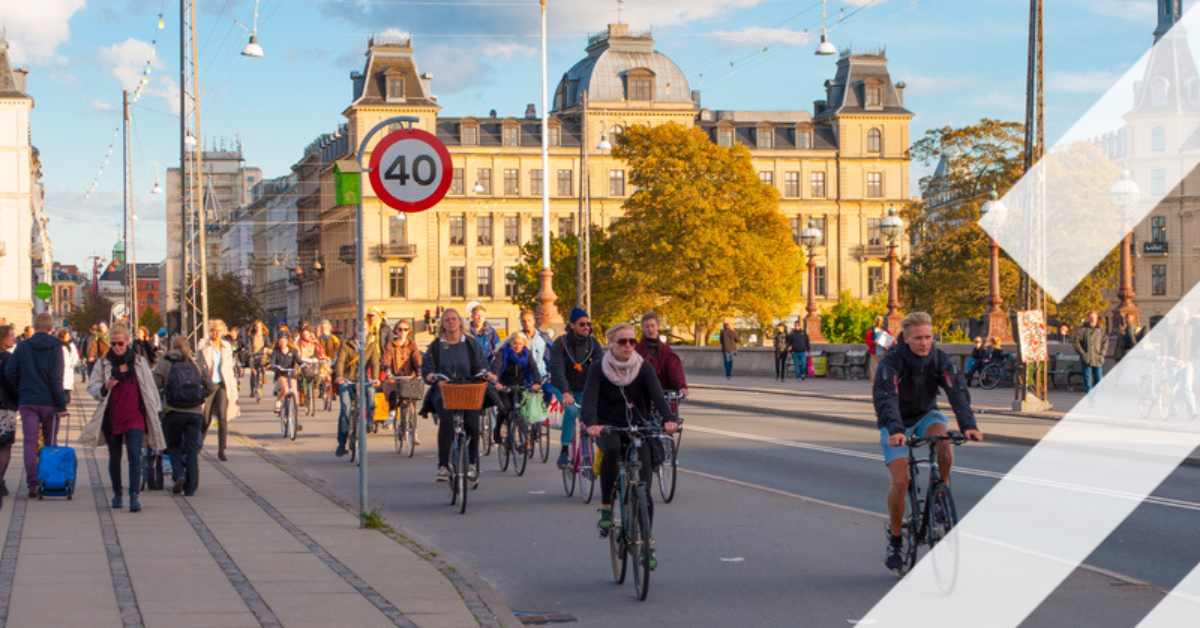
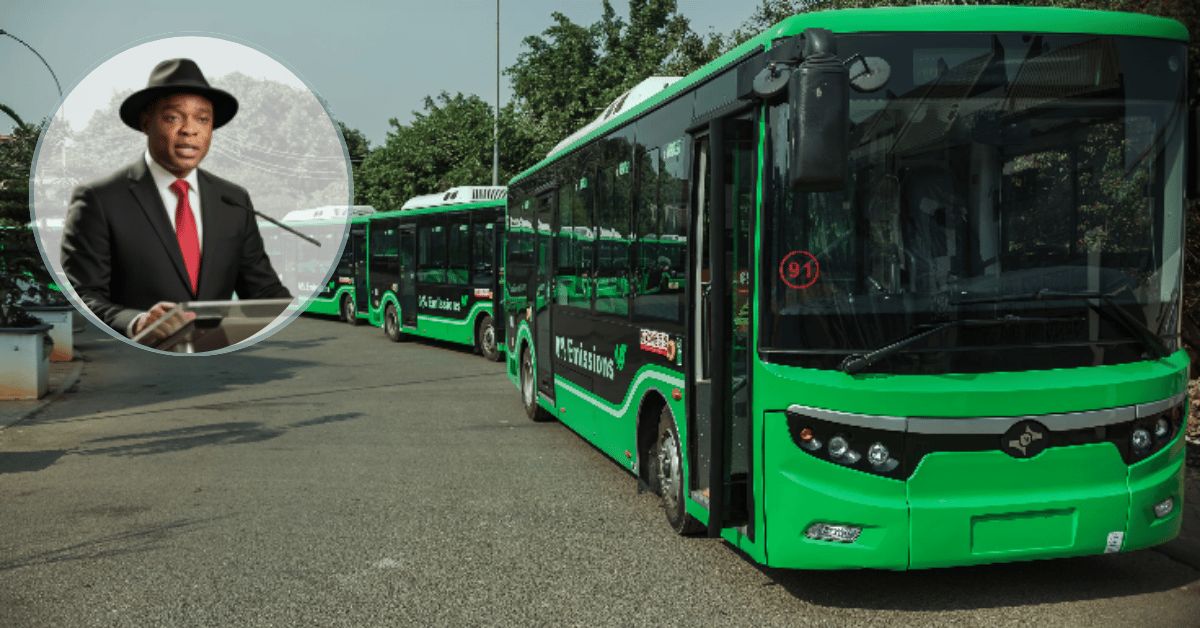
Under the EU Recovery and Resilience Facility, the European Commission has approved Belgium’s request for €5.9 billion in grants. Belgium’s RRF plans include €1.3 billion to be invested in sustainable mobility, notably by improving railway infrastructure, financing green public buses, deploying electric charging stations, developing urban public transport and creating or refurbishing cycling pathways. In addition, an important reform promotes electric road transport by limiting preferential tax treatment of company cars to zero-emission vehicles by 2026.

luxembourg
The Partnership Agreement for 2021-2027 was recently adopted between Luxembourg and the European Commission. Luxembourg will benefit from €67 million in Cohesion Policy funding to include green transition, innovation and digitisation. Around €23 million under the European Regional and Development Fund (ERDF) and the Just Transition Fund (JTF) will include help for reducing the CO2 emissions in the construction and transport sectors.
Text luxembourg
The Recovery & Resilience Facility (RRF) allocation totals €93 million in grants - 61% for green and 32% for digital transition. Specific measures include €30.5 million to enlarge the network of charging points for electric vehicles across the country. For electromobility, the investment of €30.5 million aims to deploy a dense, accessible network of charging points for electric vehicles across Luxembourg. It consists of a support scheme that will financially support initiatives taken by businesses and complement existing schemes to make electric mobility more attractive for Luxembourg’s drivers. With the deployment of 2600 additional charging points, this is expected to contribute to the shift towards sustainable mobility.
The investment of €30.5 million aims to deploy a dense, accessible network of charging points for electric vehicles across Luxembourg
the netherlands
In June 2022 the Commission adopted its Partnership Agreement with the Netherlands, laying down the country's Cohesion Policy overall investment strategy worth €2 billion for the period 2021-2027. Cohesion Policy funds will include promoting the key EU priorities of green and digital transition.
text NL
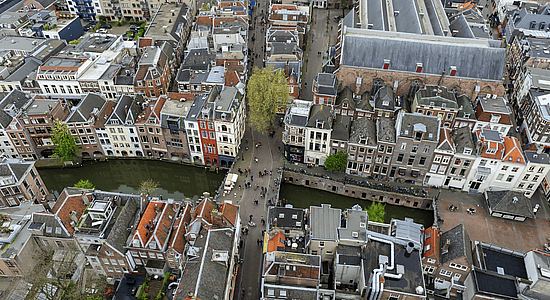
The ERDF funds of €506 million funds will support innovative and sustainable growth, of which 9% will be dedicated to sustainable urban development and integrated investments based on ownership of the local communities in Amsterdam, Rotterdam, the Hague and Utrecht.
The Recovery and Resilience plan for the Netherlands supports the digital transition with investments promoting advanced technologies, such as quantum technology and artificial intelligence €60 million
The Recovery and Resilience (RRF) plan for the Netherlands supports the digital transition with investments promoting advanced technologies, such as quantum technology (€263 million) and artificial intelligence (€60 million). Digitalisation of education is supported by a €209 million investment in the information and communications technology (ICT) infrastructure. Sustainable mobility is supported with €149 million in promoting smart mobility solutions, the rollout of digital infrastructure in the traffic management system of trains and the development of digital road side stations. and sectoral knowledge infrastructure of the education system. The plan also envisages upgrades to the IT systems of the Ministry of Defence (€94 million).
In part 2 of this feature on Benelux we will examine the Region’s involvement in the EU Horizon Europe’s 100 Smart Cities program. Thanks to Margaret A Pettit of Clematis Consulting for her invaluable assistance in the creation of this series of articles.
Share your story
Do you have an innovation, research results or an other interesting topic you would like to share with the professionals in the infrastructure, traffic management, safety, smart mobility and parking industry? The Intertraffic website and social media channels are a great platform to showcase your stories!
Please contact our Sr Brand Marketing Manager Carola Jansen-Young.
Are you an Intertraffic exhibitor?
Make sure you add your latest press releases to your Company Profile in the Exhibitor Portal for free exposure.
Get up to speed on the mobility industry - our newsletter straight to your inbox!