
From mobility to accessibility: human-centric design in practice
This panel makes the case for empathetic mobility and introduces a shift from moving people efficiently to enabling equitable access to opportunities, services, and public life. We’ll ask the crucial question too often skipped: “What does inclusion actually mean: for whom, and in what context?”
Drawing on European case studies, speakers will explore how to translate lived experiences, across ages, genders, abilities, and socio‑economic backgrounds, into concrete design choices. We connect feelings and need to behavior (safety, stress, connection, autonomy), and behavior to infrastructure, moving from reactive fixes to proactive, co-created solutions that reduce barriers and tackle mobility poverty. Rather than reinventing the wheel, we integrate existing tools for safety, accessibility, comfort, and equity into an iterative, human-centered practice that helps everyone feel welcome in public space.
Speakers

Professor Masi Mohammadi, PhD, chairs Smart Architectural Technologies at Eindhoven University of Technology and Architecture in Health at HAN University of Applied Sciences. She leads the Empathic Environments programme, translating socio-technical innovation into proportionate, reversible support in real-life settings. Her work frames homes, streets and neighbourhoods as preventive health infrastructure and connects spatial design with accessibility, mobility safety and social inclusion.
As Scientific Director of DEEL Academy (Dutch Empathic Environment Livinglabs), she coordinates multi-city living labs with municipalities, housing and care organisations, industry and civil society to generate evidence, prototypes and implementable policies. Mohammadi’s current focus is next-generation smart communities: human-centred, data-informed environments that reduce barriers, support autonomy and strengthen everyday wellbeing while enabling sustainable mobility transitions. At Intertraffic, she shows how empathic placemaking and smart infrastructures align through learning-oriented pilots that deliver measurable impact and responsible adoption.

Milou van Mierlo’s work has always centred on bringing a human‑centric perspective to engineering, design, and planning. Her recent contributions challenge the mobility system from a more empathetic lens, showing how understanding people’s lived experiences can lead to more sustainable and meaningful change. She brings people and disciplines together to co‑create solutions that improve accessibility and the everyday experience of travel.
Milou applies this perspective across all scales—from municipal projects to regional, provincial, and national programmes—building strong connections between stakeholders and shaping clear, intentional processes.
Her passion lies in understanding how people interact with their natural, social, and technological environments. By combining empathy with behavioural insight, technical demograohic data and traffic network analysis she identifies opportunities to encourage a more accessible, safer mobility system.

Marije works as senior research at KiM Netherlands Institute for Transport Policy, an independent research institute within the Dutch Ministry of Infrastructure and Watermanagement. KiM provides (scientific) research and knowledge inputs for the preparation of mobility policy at the Ministry. Marije works on various topics relating to accessibility and personal mobility. Recent projects include a study on acceptabele traveltimes to various destinations; work on digital exclusion in public transport, and a project to develop persona's for a more target group oriented approch for sustainable travel behavior.


My passion for creating excellent cities drives me to pursue new ideas and challenges that can improve urban mobility quality and the environment.

As a policy advisor for the city of Amsterdam, I have worked on the following topics:
- Public Transport
- Accessiblity
- Inclusive mobility
- Project advise
- Public Space
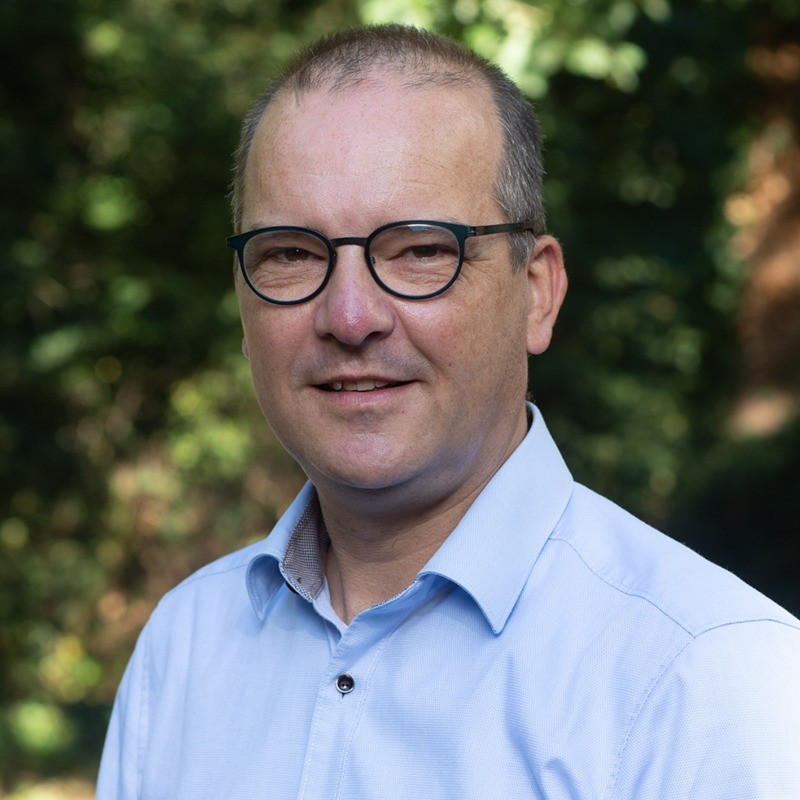
Marco van Burgsteden is a leading expert in mobility and spatial development, currently serving as a Project Manager and Knowledge Manager at CROW, the Dutch national platform for infrastructure and transport. As one of the architects behind the national guidelines for parking and urban accessibility, Marco plays a pivotal role in shaping how the built environment in the Netherlands is planned and executed. He is also a PhD Candidate at the University of Twente, where he researches the integration of "Broad Prosperity" (Brede Welvaart) into mobility policy.
At the forefront of modernizing urban planning, Marco advocates for a shift from "autopilot" engineering to strategic, vision-led decision-making. He specializes in transforming transport issues from a development bottleneck into a tool for housing affordability and climate adaptation. His expertise covers the full lifecycle of area development—from the STOMP mobility hierarchy and legal frameworks to the latest 2024 parking standards.
By bridging the gap between academic research and practical application, Marco provides professionals with the frameworks needed to balance mobility, technology, and livability. At Intertraffic, he brings essential insights into the evolution of smart access and parking standards as drivers for sustainable urban growth.