
EIT special session: Connecting the Dots: Towards an Integrated Mobility Ecosystem
In today’s rapidly evolving urban landscape, digitalisation, AI, data sharing, digital twins, and automated vehicles are no longer isolated innovations - they are the building blocks of a connected mobility ecosystem. By integrating these intelligent transport technologies into cohesive platforms, cities can enable seamless, efficient, and people-centred mobility services that improve accessibility, sustainability, and quality of life for all citizens.
Speakers

Chris leads the vision and strategy for low-carbon travel demand management platform, ‘You. Smart. Thing.’ (“YST”).
After 7-years in telecoms, Chris weaved in his Commercial Music BA and founded Digital Animal, a direct-to-consumer retail platform for major-label recording artists that powered loyalty campaigns for brands including NatWest and Nintendo. DA won 4 UKTI Creative Industries Awards in 3 consecutive years and Chris was shortlisted for the O2 Arena Entrepreneur of The Year award. He’s held responsibility D2C strategy for PIAS, Europe’s largest independent entertainment distributor, and prior to establishing YST helped engineer customer engagement campaigns for JLR, Halfords, ATOS, Google and Vodafone.

Ydze operates at the intersection of mobility, urban development, and large-scale events, where policy, infrastructure, and operations converge. He works on strategic and governance-related challenges in high-density urban environments with significant visitor flows and complex governance structures. He brings international advisory experience from Arup and Deloitte, and connects long-term vision with actionable decisions in public–private partnerships. His strength lies in combining a systemic perspective, strong analytical capabilities, and the ability to provide clear direction in complex challenges related to multifunctional urban hubs.

Willem-Frederik Metzelaar is Regional Director of Innovation Hub West at EIT Urban Mobility, covering the Netherlands, Ireland, the United Kingdom, Belgium and Luxembourg. He works at the intersection of public policy, industry, investment and academia, helping cities translate ambition into implementable mobility transitions.
Over the past decade, Willem-Frederik has witnessed the evolution from the early “Smart City” narrative—often technology-driven and infrastructure-focused—towards a more systemic and human-centered approach. Today, he advocates for WISE Cities: cities that are Wellbeing-oriented, Inclusive, Sustainable, and Evidence-based in their economic development.
In his work with metropolitan regions such as Amsterdam, London and Dublin, he focuses on:
Linking infrastructure renewal to sustainable mobility transformation
Embedding Intelligent Transport Systems (ITS) and Intelligent Speed Assistance (ISA) to protect vulnerable road users
Using data, digital twins and AI not as goals in themselves, but as tools for measurable societal impact
Connecting public budgets (“follow the money”) to innovation ecosystems and investment capital
Willem-Frederik argues that the Smart City era optimized systems; the WISE City era must optimize outcomes: fewer car movements, safer streets, healthier citizens, stronger local economies and climate resilience.
He brings a pragmatic European perspective to the debate: how to move from pilots to procurement, from innovation projects to structural funding, and from technology adoption to measurable change in modal split, safety and accessibility.

Sam Li is a Senior Innovation Officer at Transport for Greater Manchester (TfGM) with 10 years’ experience working in the mobility innovation sector.
Leading on the smart cities’ agenda within TfGM, looking at how future connectivity and behaviour will affect cities mobility needs. Severed as the Transport Thematic lead for the Cityverve project, an InnovateUK funded project UK’s demonstrator for Internet of Things (IoT) and smart cities. It aimed to build and deliver a smarter, more connected Greater Manchester. Driving the delivery of the vast cross-cutting innovation portfolio within TfGM. Joining the dots on mobility and customers needs
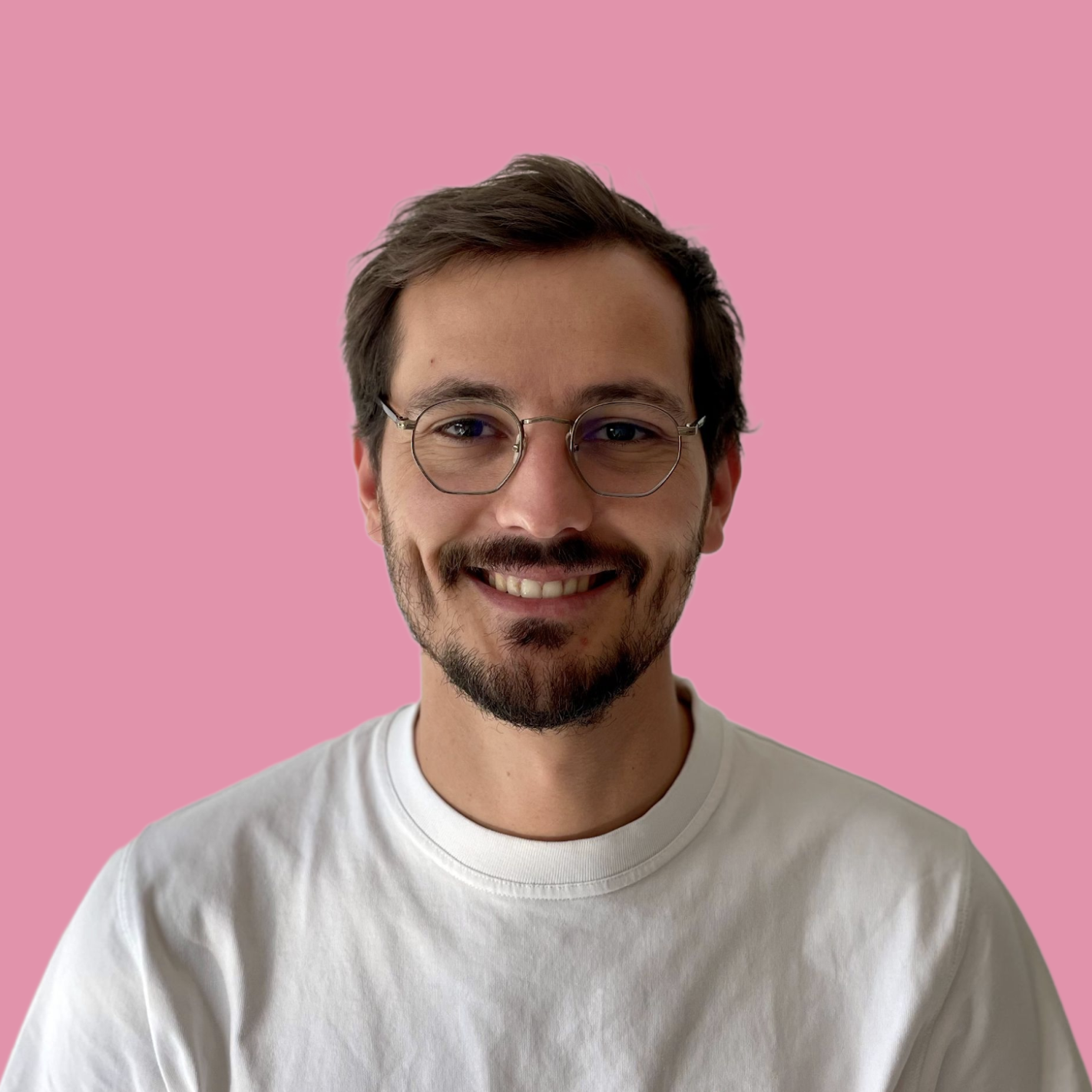
Dario began his career in the nuclear industry before moving on to lead a startup focused on real-world deployments of autonomous vehicles. Today, Dario works as a freelance consultant and collaborates with Espaces-Mobilités, an independent firm that has been advising public authorities, transport operators, and businesses on mobility and public space for over 20 years. A significant part of his work is dedicated to the Mobility Masterclass, a training program designed to build capacity across the entire mobility ecosystem. Autonomous mobility has been a key focus within this program, through hands-on training, international study tours to the USA and China, and real-world deployments of autonomous shuttles on public roads.