
.png?h=400&iar=0&w=1400)
Meet the Intertraffic Advisory Board
Intertraffic Amsterdam benefits from expert guidance drawn from across the industry. Here four members of its Advisory Board share their perspectives on the evolution of the world’s largest traffic technology exhibition and the challenges facing the mobility industry today.
By Tom Stone
This article was first published in the 2026 edition of Intertraffic World magazine – read online now – it’s your indispensable, in-depth transportation technology review.
As chair of Connekt – ITS Netherlands, and vice chair of ITS Nationals, Marc Verhage brings important perspective to Intertraffic’s Advisory Board. With a background spanning naval service, construction, and now mobility networks, he believes the industry’s biggest challenges aren’t technical, but cooperative. “Technically, everything is possible,” he says.
“The technology exists and works. But now everybody has to look across their borders. The main challenge is cooperation between countries, and between ministries. That’s why Intertraffic is so important. Not only to show all the technical stuff –¬that’s really fun – but more important is the interaction between all the international delegations, all the different parties that are there.”
Connekt’s approach to the exhibition reflects this networking focus. “We always have a very large stand – with a bar,” Verhage says with a laugh. “We try to get the whole world to our stand. For us, that’s really what it’s all about.”
"By making solutions and the technology more accessible, we can bring more people into this area from different backgrounds” Janine Stuchl, VP marketing, Umovity
In his role at Connekt, Verhage represents 120 members operating in mobility and logistics in the Netherlands, and as vice chair of ITS Nationals, he represents 29 countries and 2,000 members,
“Our aim is to combine projects, to combine all the members to learn from each other and start real cooperation in international projects,” he says. “And this should happen not because it has to, but because everybody wants to.”
This voluntary cooperation, built on personal relationships and mutual benefit rather than regulation, may ultimately prove more effective than any technical standard. “It’s all about people and relationships,” says Verhage. “Intertraffic Amsterdam is especially important for that.”
The evolution of Intertraffic
Swarco’s Richard Neumann remembers when Intertraffic’s advisory board was an exclusively Dutch affair. That changed in 2016 when he joined the board as one of two representatives from Austria’s two biggest exhibitors –¬Swarco and Skidata.
Since then, Neumann has watched the exhibition evolve significantly. “It has changed a lot, and the programme has grown quite a bit,” he says. “It’s not just a traffic technology exhibition where you see a lot of hardware on display. It has become more and more a mobility show.”
But despite this evolution, Intertraffic’s fundamental character remains unchanged – and for Neumann, that’s crucial. “I like that it is still primarily an exhibition, and not a side exhibition built around another event. That’s a big difference for us.”
The numbers highlight Intertraffic’s continued success: over 30,000 visitors across 12 halls of exhibition space. “Those are really big numbers,” says Neumann. “Our customer base is very international, and that’s why we appreciate Intertraffic so much. There is no other show where we have as big a presence.”
For Swarco, which indeed maintains one of the largest stands at the whole event, the challenge isn’t attracting visitors –¬it’s managing them. “I get feedback afterwards from my own people saying, ‘Hey Richard, the stand was too crowded,’” he says with a laugh. “That’s a luxury problem, isn’t it? Others would like to have such a crowded stand!”
Neumann’s rival in business but friend and collaborator on the Intertraffic Advisory Board, Fred Kalt of Yunex Traffic, agrees that the scope of Intertraffic is hard to beat: “It’s huge! It’s fantastic!” he says. “People come to see what’s new and they like to go really deep into the technical details. They want to know about product roadmaps and how to integrate the latest technology with existing products, like installing AI software on an existing detection camera. Intertraffic shows what companies have available today and what they have coming up for tomorrow.”
“The main challenge is cooperation between countries, and between ministries. That’s why Intertraffic is so important” Marc Verhage, chair, Connekt – ITS Netherlands; vice chair, ITS Nationals
Kalt notes that staying ahead of the curve in ITS is a challenge as innovation cycles themselves are accelerating. “My son in law is working with a big American IT company, and they are pushing their focus into AI,” he says. “The task is not to find programmers to make code anymore. The task is describing problems to the AI that is doing the coding. The smart guys are just describing their problem, describing what the solution could look like. This trial-and-error method is much faster, so the deployment time is much faster.”
He draws a parallel with AI and the early internet era. “In the early days of the Internet the biggest question was, what to do with it? Should I really buy a book on the internet? Why shouldn’t I go to a bookshop? It took a while before companies like Amazon and Apple really came into this business. But now… Bang! We’re getting innovation quite quickly, on the spot.”
Inclusivity
Janine Stuchl of Umovity (the brand that unites PTV Group and Econolite) brings another dimension to the Advisory Board’s perspective through her involvement with Women in Mobility, an organisation promoting diversity in the transport sector.
“We are developing diverse solutions, so we should also have diverse people creating those solutions and bringing those solutions to the road,” she says. “We connect the female players in the industry across different organisations and roles to really promote visibility and also to bring those voices in the forefront, for example, at conferences, to get them speaking on panels, so we have diverse views.”
Stuchl also emphasises making solutions more accessible to incorporate diverse skillsets, in what has traditionally been a world dominated by trained experts. “Some traffic management and modelling solutions have been really only usable by experts,” she says. “But not all cities have the resources to have dedicated planners and modellers. By making solutions and technology more accessible, we can bring more people into this area from different backgrounds.
“I think the biggest challenge is really to have a holistic view of the ecosystem. Because you can always zoom in on one solution, and it’s nice, but to really tackle the problem holistically, you need to have an integrated system.”
The data dilemma
Data is one of the ongoing challenges for mobility networks, and Verhage has seen firsthand how different regions approach vehicle data sharing. During a visit to China for the Intertraffic event there, the contrast with European practices was stark. “Once you have your car there, all the data must come into one system,” he says. “For example, you can see all the electric cars in Shanghai on a big screen and when you click on it, you can see all the data.”
“Our customer base is very international, and that’s why we appreciate Intertraffic so much. There is no other show where we have as big a presence” Richard Neumann, senior communications manager, Swarco
The European approach differs fundamentally. “In Europe and in the Netherlands, privacy is more important than the comfort of knowing everything,” says Verhage. While he acknowledges China’s governance model isn’t something to copy, he suggests there are lessons: “You can see what is possible if you think a little bit differently about certain topics.”
But privacy isn’t the only barrier to data sharing. During a visit to BMW in Munich, Verhage encountered another obstacle. “They said, ‘The government wants our data, but for us, it’s money. So why should we give all the data for free?’ And if everybody says that...”
This is why Verhage sees initiatives like Euro NCAP’s approach –¬linking safety ratings to connectivity and data sharing –¬as potentially transformative (see page 22). By creating incentives rather than mandates, the industry might finally unlock the cooperative data ecosystem it needs.
Nevertheless, getting vehicle manufacturers engaged in connectivity projects remains a challenge, even for established networks like Connekt. “We don’t really have our own OEMs in the Netherlands, so they’re not joining Connekt,” says Verhage. “That’s a problem.”
The Dutch government has launched projects with manufacturers like Mercedes to share car data, but broader engagement across the industry remains elusive.
Looking to the future
When it comes to predicting the future of the industry, one of the key areas to look at is startups. Intertaffic supports this ecosystem through the ITSUP area. “It gives startups the opportunity to show their solutions on the biggest exhibition on Earth in terms of traffic technology,” says Neumann. “We think it’s worthwhile to look into these flexibly acting newcomers who have good ideas. There are cooperations with big companies like Swarco emerging from these startup areas.”
For a wider vision of the future of mobility Neumann sees a need to optimise existing road space rather than trying to cram in extra vehicles, no matter how technologically advanced they may be. “I always wonder whether the automated car is an ultimate solution,” he says. “Because it doesn’t reduce the number of cars on the road. I think the solution is to limit traffic, to reduce traffic, and to make the cities more livable by using more public transport, by fostering the micromobility sector – cycling, walking, scooters.”
Stuchl agrees that there the need for comprehensive solutions: “As a traveller, I’m not focused on just one solution. I usually have a multimodal journey. And I want to have a smooth journey across different modes of transportation. I think that’s the demand that infrastructure and also technology needs to answer.”
As the industry looks for answers to traveller demands, Intertraffic offers something equally important – insight into what road authorities actually need. “It’s important for the industry to hear what the authorities are talking about,” says Kalt. “What are their pain points? Such as, how do you make traffic run smoothly, but then also not make private cars too attractive? And where should the revenue come from? These questions are very important for the industry.”
Beyond the networking and knowledge sharing, Intertraffic Amsterdam is also fundamentally a place where business is done. “Intertraffic is often where we sign contracts,” says Kalt.
“We find there’s nothing better than personal contact, face-to-face. Customers want to get together with us,” adds Neumann. “They talk different Swarco contacts throughout the year, but then they want to see them and meet them in person.”
“People come to see what’s new and they like to go really deep into the technical details. They want to know about product roadmaps and how to integrate the latest technology with existing products” Fred Kalt, director of business development, Yunex Traffic
To ensure Intertraffic Amsterdam delivers on all its promises, builds on its strengths, and keeps evolving for the future, its Advisory Board provides an impressive level of industry expertise. “The Intertraffic Advisory Board really wants to connect different industry players, because we can all benefit from each other,” concludes Stuchl. “We can all collaborate and shape this whole ecosystem, which is made of diverse players and diverse solutions.”
Featured Advisory Board members
Marc Verhage, Chair of Connekt/ITS Netherlands 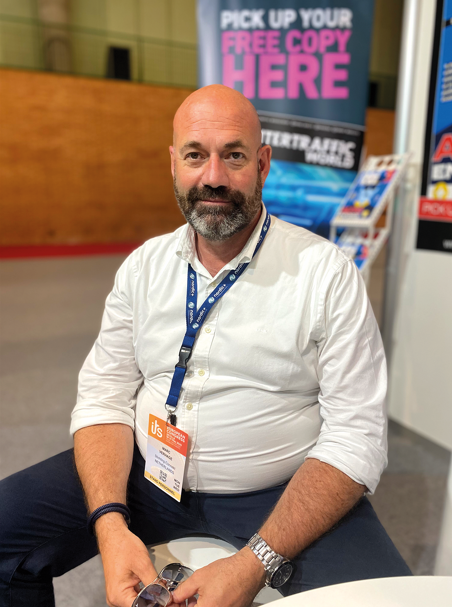
Verhage joined Connekt, the Dutch ITS organisation representing 120 members in mobility and logistics, three and a half years ago after careers as a Navy officer and project manager, and 12 years in the construction sector. He became official chair one year ago after serving unofficially for 18 months. He also serves as vice chair of ITS Nationals, representing 29 countries and 2,000 members.
Janine Stuchl, global VP, marketing and communication, Umovity
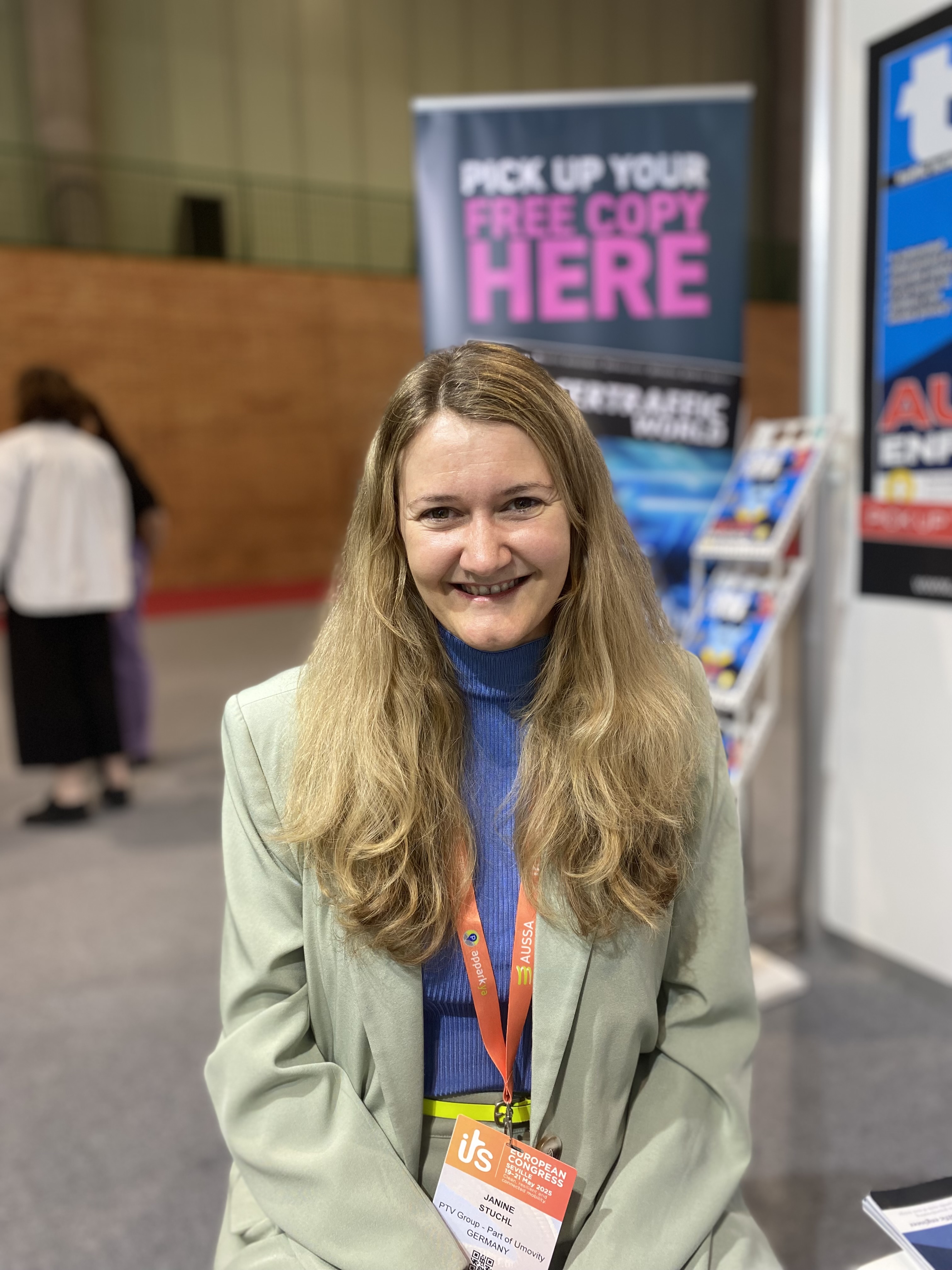
Stuchl has been with Umovity (which incorporates PTV Group and Econolite) for over 13 years, overseeing marketing strategy and communication channels across all regions. She is active in Women in Mobility, an organisation promoting diversity in the mobility industry. Brings focus on technology accessibility and integrated solutions to the advisory board.
Richard Neumann, senior manager communications and events, Swarco
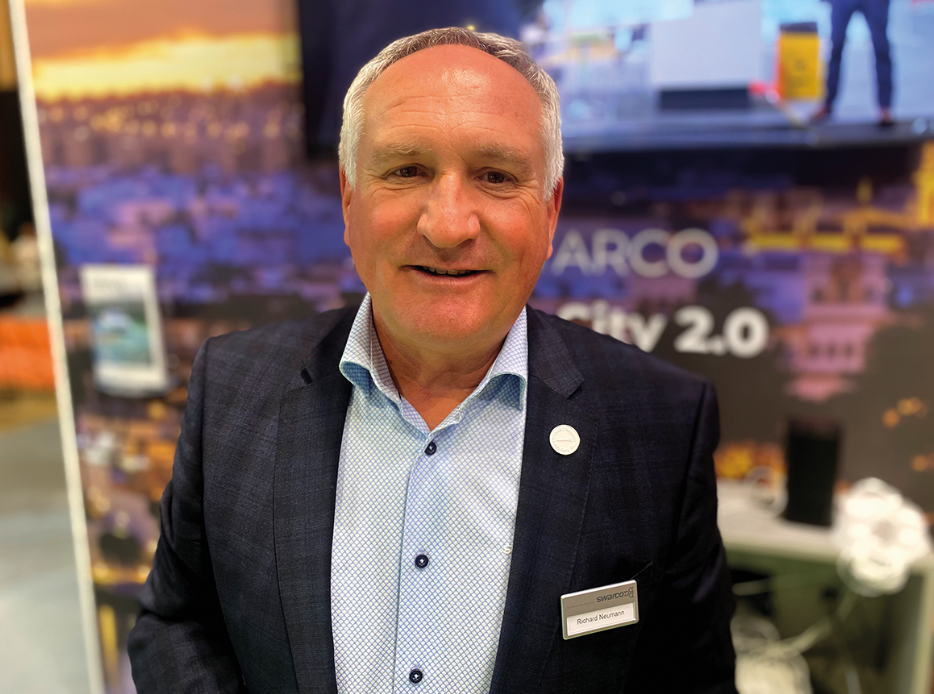 Neumann has a deep knowledge of the industry having worked for Swarco for more than 30 years. His decades of experience in the traffic technology industry and long-term engagement with Intertraffic provide valuable insight into how the world’s largest traffic technology exhibition has evolved, which helps to guide its direction for the future.
Fred Kalt, director of international business development, Yunex Traffic
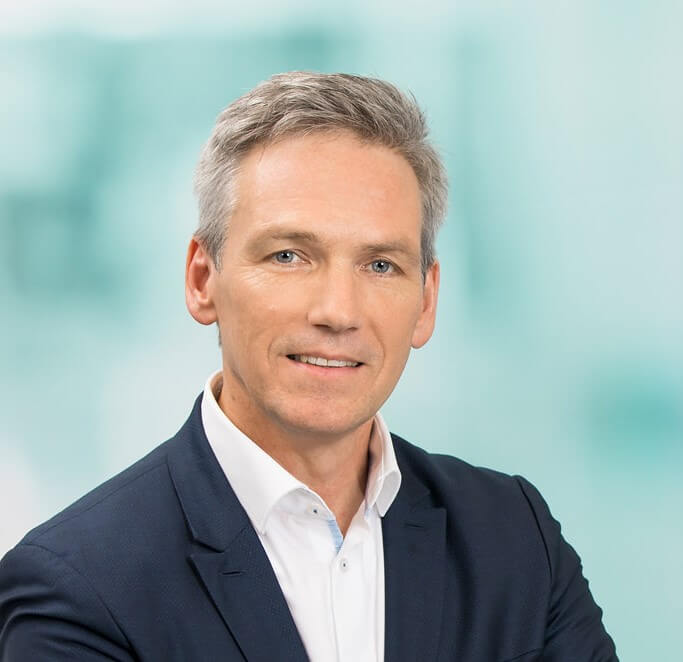
Previously managing director for Yunex Traffic Asia Pacific, Fred Kalt has a passion for ITS-related innovations that drive the mobility industry in business and technology. In particular, he is passionate about the digitisation of ITS as it makes road networks and fleets safer and smarter, benefiting people and the environment
Additional Advisory Board members
The other six members of the Intertraffic Amsterdam Advisory Board are…
Benny Nieswaag
Head of department. Ministry of Transport, Public Works and Water Management
Carlo van de Weijer
General manager, Eindhoven AI Systems, Universiteit Eindhoven
Katharina Rothbucher
Head of marketing, Skidata
Willem Van Heijningen
Strategist at the Department of Public Space and Mobility, City of Amsterdam
Tom Alkim
Strategic advisor, connected and automated mobility, MAPtm
Raoul van der Struijk
Director, Erdi
Share your story
Do you have an innovation, research results or an other interesting topic you would like to share with the professionals in the infrastructure, traffic management, safety, smart mobility and parking industry? The Intertraffic website and social media channels are a great platform to showcase your stories!
Please contact our Sr Brand Marketing Manager Carola Jansen-Young.
Are you an Intertraffic exhibitor?
Make sure you add your latest press releases to your Company Profile in the Exhibitor Portal for free exposure.

.png?h=183&iar=0&w=290)
.png?h=183&iar=0&w=290)
Get up to speed on the mobility industry - our newsletter straight to your inbox!