
.png?h=400&iar=0&w=1400)
Big Data in Transport: Is it a problem or an opportunity?
The transport sector faces an unprecedented data revolution. Smart sensors, connected vehicles, mobile apps, and IoT devices generate massive volumes of information every second. For transport planners, municipal decision-makers, and mobility service providers, this data tsunami presents a fundamental question: Is big data an overwhelming problem to manage, or a transformative opportunity to unlock?
The answer lies not in the data itself, but in how organizations approach data management across the entire value chain. When properly governed, analysed, and applied, transportation data becomes an invaluable asset that powers smarter cities, safer roads, and more efficient mobility services. In this article transport data expert Bob McQueen explores the strategic framework for transforming raw data into actionable intelligence that drives better outcomes for communities and businesses alike.
The Transportation Data Value Chain
Understanding data as a valuable asset begins with recognizing the complete value chain from initial collection through final application. Too many organizations focus solely on data acquisition without considering downstream requirements, resulting in wasted resources and missed opportunities.
''When properly governed, analysed, and applied, transportation data becomes an invaluable asset that powers smarter cities''
Data Acquisition
Sensors, vehicles, apps, and infrastructure collect raw information from multiple sources across the transportation network.
Data Management
Storage, cleaning, integration, and governance transform raw data into reliable, accessible assets ready for analysis.
Analytics & Insights
Advanced analytics extract meaningful patterns, predictions, and intelligence from managed datasets.
Services & Applications
Apps and services deliver value to end users, completing the chain and often generating new data in return.
A circular economy approach recognizes that applications at the end of the chain also serve as data generators, creating a continuous feedback loop. Organizations that master this full cycle transform data from a costly burden into a strategic advantage that continuously compounds in value.
Results-Driven Data Management: Purpose Before Collection
The Traditional Approach
Many agencies collect data without clear objectives, leading to:
• Massive storage costs for unused information
• Overwhelmed systems unable to process volumes
• Disconnected datasets that can't integrate
• Staff frustrated by data complexity
• Missed opportunities for meaningful insight
The Results-Driven Approach
Leading organizations start with clear service goals:
• Define the services and decisions to support
• Identify required insights and analytics
• Determine necessary data specifications
• Design acquisition and use plans
• Implement with purpose and efficiency
This fundamental shift4knowing the purpose of data collection before deployment prevents waste and ensures every data point serves a strategic objective. The most successful transportation organizations work backwards from desired outcomes, creating data acquisition and use plans that align technical infrastructure with business needs. This approach treats data as the raw material for services, not as an end in itself.
''A circular economy approach recognizes that applications at the end of the chain also serve as data generators, creating a continuous feedback loop''
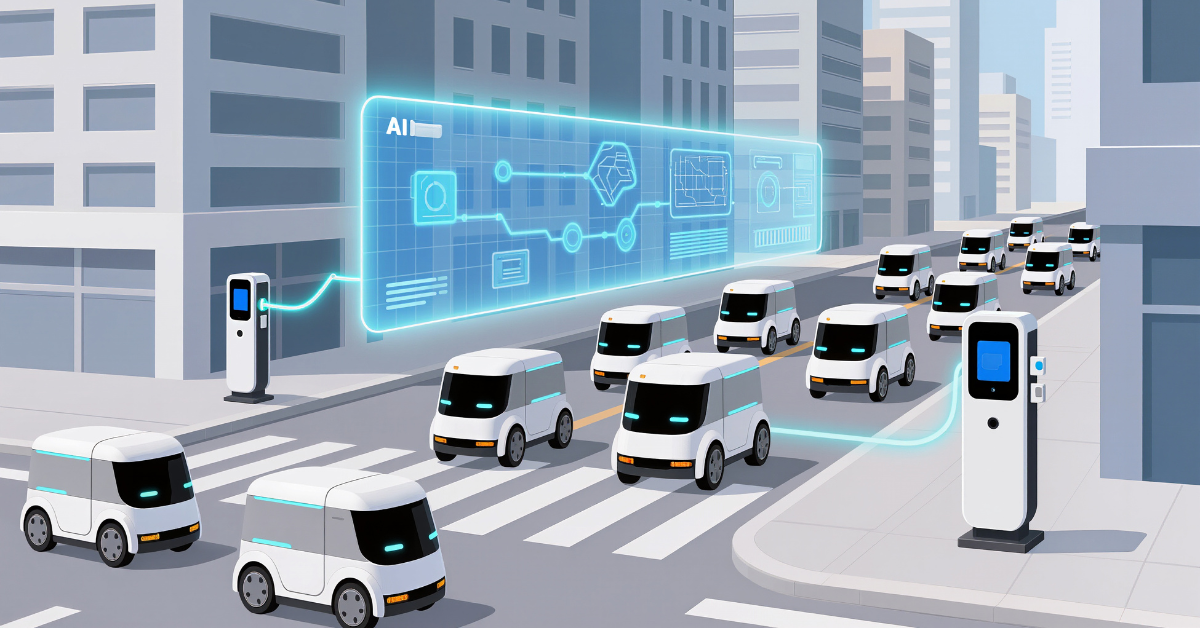
Powering Smart Mobility Services
Transportation data becomes valuable when it powers services that improve mobility, safety, and efficiency. Understanding which data feeds which applications helps organizations prioritize collection and management efforts strategically
Managing the Data Tsunami: Strategic Acquisition
Transportation agencies face an overwhelming array of potential data sources. The IoT revolution has made data collection technically feasible at unprecedented scales, but not all data deserves equal investment. Strategic data acquisition requires careful evaluation of sources, technologies, and use cases.
A critical challenge involves edge data accessibility. Many IoT devices generate valuable information locally but lack integration pathways into centralized systems. Organizations must address connectivity, standards, and data sharing protocols to unlock distributed intelligence. The goal is creating an ecosystem where multiple data sources complement rather than duplicate each other.
Beyond Traditional Transportation Data
The most innovative mobility services integrate transportation data with information from adjacent domains, creating richer context and more powerful insights. Forward-thinking agencies expand their data horizons strategically.
Smart Vehicle Data from Private Sources
Connected and autonomous vehicles generate unprecedented insights into road conditions, driver behaviour, and traffic patterns. Partnerships with automakers, fleet operators, and mobility service providers can access this rich data stream while respecting privacy and competitive concerns.
Data from Beyond Transport
Weather services, social media, special events, construction permits, utility work, demographic databases, and economic indicators all influence transportation patterns. Integrating these external sources enables predictive analytics and proactive management strategies that purely transportation-focused approaches miss.
Advanced analytics platforms can synthesize these diverse sources, identifying correlations and patterns invisible to single-domain analysis. The key is establishing data sharing agreements, standardizing formats, and building integration architectures that scale as new sources emerge.
''Many IoT devices generate valuable information locally but lack integration pathways into centralized systems''
Apps: Both Consumer and Producer
Mobile applications represent a unique element in the transportation data ecosystem4they simultaneously consume data to provide services and generate new data through user interactions. This dual role creates powerful feedback loops when properly orchestrated.
Navigation Apps
Consume real-time traffic and route data, generate crowd-sourced speed and
incident reports
Ride-Hailing Apps
Match riders with drivers, generate detailed trip data and demand patterns.
Transit Apps
Display schedules and arrivals, capture ridership patterns and user preferences.
Micromobility Apps
Enable bike/scooter rentals, provide trip origins, destinations, and route choices.
The private sector plays a crucial role in this app-driven ecosystem. While public agencies control physical infrastructure, private companies often deliver the user-facing services that citizens interact with daily. Successful smart city strategies require partnerships that balance public access to anonymized, aggregated data with private sector innovation and competitive dynamics. Data sharing frameworks must protect commercial interests while serving the public good.

Organizational Readiness: The Foundation for Success
Technology alone cannot unlock data's value. Transportation organizations must develop institutional capabilities, governance structures, and cultural mindsets that treat data as a strategic asset requiring active management.
Data Governance Framework
Establish policies for data quality, access, privacy, security, and lifecycle management. Define roles, responsibilities, and decision-making authorities clearly.
Skills and Staffing
Build internal capacity in data science, analytics, and management. Invest in training existing staff while recruiting specialized talent strategically.
Strategic Partnerships
Leverage consultants and technology partners where internal expertise gaps exist. Choose partners who transfer knowledge and build internal capabilities over time.
''Successful smart city strategies require partnerships that balance public access to anonymized, aggregated data with private sector innovation and competitive dynamics''
Consultants play a valuable role in data management, particularly for agencies beginning their data journey or facing complex technical challenges. The most effective consulting relationships focus on building organizational capacity rather than creating dependency. Consultants should help establish frameworks, implement initial solutions, and train staff enabling agencies to sustain and evolve their data programs independently. The goal is developing self-sufficient organizations capable of managing their data assets long-term.
Transforming Perception: Data as Strategic Asset
Perhaps the most critical success factor is perceptual: how does your organization view data? Is it a compliance burden, a technical headache, a cost centre to minimize? Or is it a strategic asset, a competitive advantage, a foundation for innovation?
Data value perception is heavily influenced by successful value chain management. When organizations connect data collection directly to service delivery and operational improvements, scepticism transforms into enthusiasm. Data becomes an amazing asset rather than a nuisance or costly drain.
This transformation requires leadership commitment, clear communication of benefits, and early wins that demonstrate tangible value. Share success stories internally. Celebrate when data-driven decisions produce better outcomes. Make the connection between data investments and mission achievement explicit and visible. Over time, a data-positive culture becomes self-reinforcing as benefits accumulate and compound.
''When organizations connect data collection directly to service delivery and operational improvements, scepticism transforms into enthusiasm''
Action Required: Building Your Data Strategy
Transportation organizations face a clear choice: embrace data strategically or risk obsolescence. The path forward requires deliberate action across multiple dimensions simultaneously.
Big data is neither inherently a problem nor automatically an opportunity the determining factor is how organizations choose to approach it. With strategic vision, appropriate investment, and commitment to the full value chain, transportation data becomes the foundation for smarter, safer, more efficient mobility systems that serve communities effectively. The time to act is now.
Share your story
Do you have an innovation, research results or an other interesting topic you would like to share with the professionals in the infrastructure, traffic management, safety, smart mobility and parking industry? The Intertraffic website and social media channels are a great platform to showcase your stories!
Please contact our Sr Brand Marketing Manager Carola Jansen-Young.
Are you an Intertraffic exhibitor?
Make sure you add your latest press releases to your Company Profile in the Exhibitor Portal for free exposure.

.png?h=183&iar=0&w=290)
.png?h=183&iar=0&w=290)
Get up to speed on the mobility industry - our newsletter straight to your inbox!