
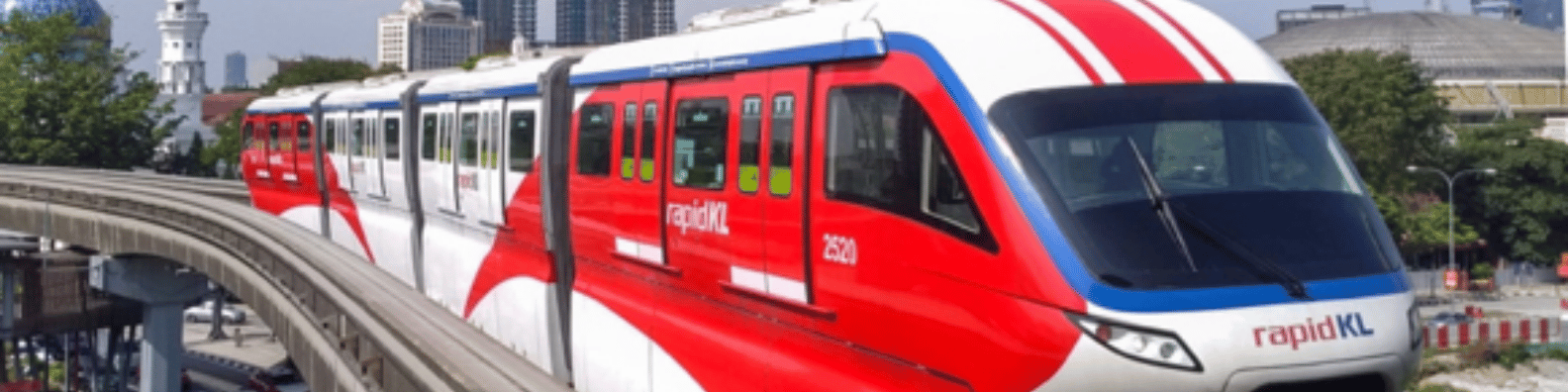
JAKARTA VS KUALA LUMPUR: TWO CITIES, DIFFERENT MOBILITY CHALLENGES
From Jakarta's motorcycle-filled streets to Kuala Lumpur's car-dependent roads, how are these two Southeast Asian cities approaching urban mobility?
Jakarta and Kuala Lumpur are two major cities in Southeast Asia, both facing growing transport demands. Although they share challenges such as traffic congestion and increasing pressure on infrastructure, the way people travel in each city is quite different. Jakarta is known for its large number of motorcycles, while Kuala Lumpur relies heavily on private cars. These differences influence how both cities approach public transport, road safety and traffic management.
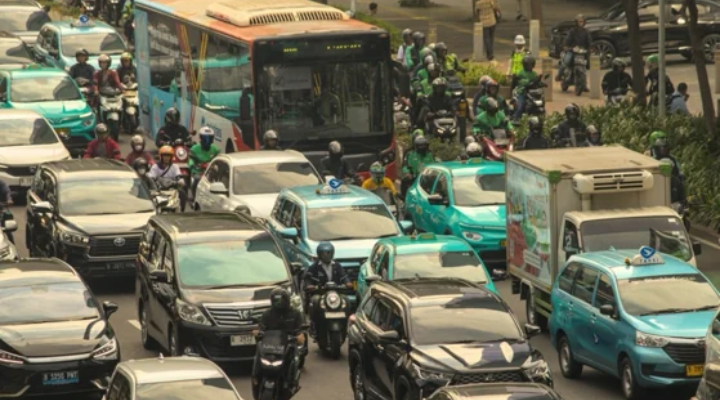
Motorcycles in Jakarta, cars in Kuala Lumpur
One of the most noticeable differences is the type of vehicles on their roads. In Jakarta, motorcycles offer an affordable and flexible way to travel through busy streets. Across Indonesia, approximately 139.5 million motorcycles were registered in 2024, compared with 20.4 million passenger cars. With a national population of around 283.5 million, that is nearly one motorcycle for every two people.
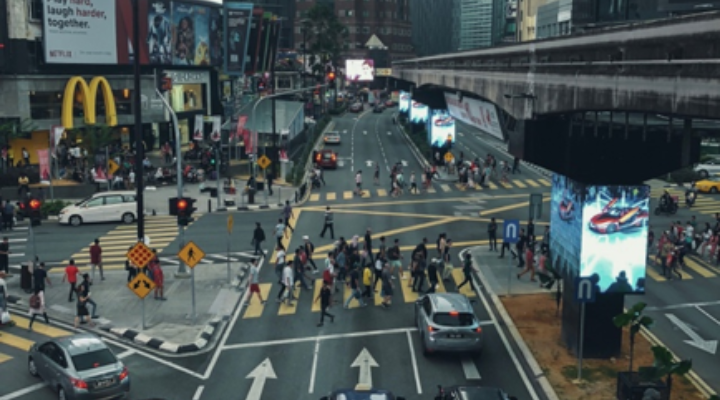
Kuala Lumpur, on the other hand, has a stronger dependence on private cars. Driving offers comfort, independence and the convenience of travelling directly to a destination. However, this also contributes to pressure on the city's roads, particularly during peak hours.
How does congestion compare?
According to the 2025 TomTom Traffic Index figures used in this research, Jakarta recorded a congestion level of 59.8%, compared with 43.4% in Kuala Lumpur. This highlights the different levels of traffic pressure experienced by both cities.
Jakarta must manage large numbers of motorcycles alongside cars, buses and pedestrians, while Kuala Lumpur faces the challenge of reducing dependence on private cars.
The cost of travelling: Which option is more attractive?
Affordability plays an important role in how people choose to travel. In Jakarta, a regular TransJakarta bus journey costs Rp3,500, while JakLingko helps passengers connect between different public transport services.
In Kuala Lumpur, the My50 travel pass allows eligible Malaysian passengers to use Rapid KL services for RM50 over 30 days.
However, the cost of public transport is only one consideration. Owning a car involves loan repayments, fuel, insurance, parking and maintenance. Vehicle loans make purchasing cars easier by spreading the cost over several years, which can encourage ownership.
Stricter loan requirements or higher parking charges could discourage some car purchases and journeys, particularly in car-dependent cities such as Kuala Lumpur. However, these measures would need to be introduced carefully, especially for people without reliable public transport alternatives.
In Jakarta, affordable motorcycles can remain attractive even when bus fares are low because they offer greater flexibility and direct journeys.
Safety: Different roads, different concerns
Safety is another important part of the comparison. Jakarta's large motorcycle population creates challenges involving interactions between motorcycles, cars, buses and pedestrians. Safer junctions, better traffic signals and improved road design could help protect vulnerable road users.
Kuala Lumpur also faces road safety challenges, but improving pedestrian access to public transport is particularly important when encouraging drivers to switch. Safe crossings, proper pavements and well-lit routes can make stations easier and more comfortable to reach.
Road safety remains a serious issue in both countries. According to the World Health Organization, an estimated 31,063 people died in road traffic incidents in Indonesia in 2021, compared with 4,680 in Malaysia. These are national figures rather than city-specific statistics.
Stricter driving exams and better driver education could improve safety, although tougher tests alone would not necessarily reduce congestion.
How are both cities improving public transport?
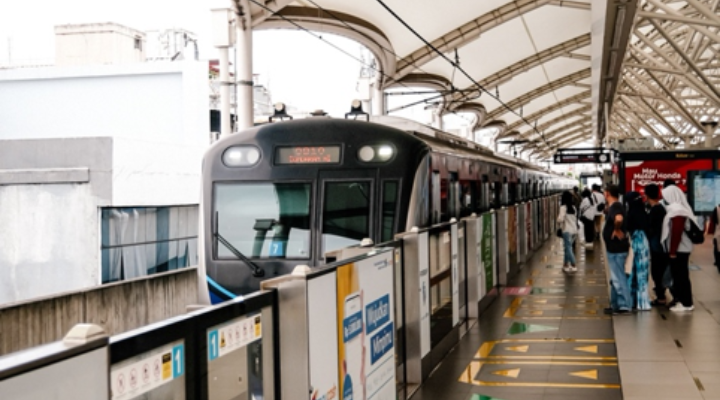
Jakarta is continuing to develop its MRT network, including Phase 2A towards Kota, while TransJakarta provides bus connections across the city. The government also uses an odd-even number plate system on selected roads to manage car traffic.
Kuala Lumpur has expanded its rail network through projects such as the MRT Putrajaya Line, which fully opened in 2023. Affordable travel passes also aim to make public transport more attractive.
However, infrastructure alone does not guarantee that commuters will change their habits. Jakarta needs convenient connections that can compete with motorcycle journeys, while Kuala Lumpur needs reliable services and easier station access to persuade more car users to switch.
Both governments are taking steps to improve mobility, but their approaches are slightly different. In Jakarta, the government is expanding public transport, improving connections between buses and trains, and using the odd-even number plate system to manage traffic.
Kuala Lumpur, on the other hand, is focusing more on expanding its rail network and making public transport affordable through initiatives such as the My50 travel pass. While both cities want to encourage people to use public transport, Jakarta is combining traffic restrictions with better transport connections, whereas Kuala Lumpur is focusing more on making public transport an attractive alternative to driving.
Different challenges require different solutions
Jakarta could benefit from improved motorcycle safety, smarter traffic management and better connections between buses, trains and residential areas. Kuala Lumpur could focus on making public transport more competitive with driving through reliable services, safer walking routes and convenient feeder buses.
For Intertraffic Asia, these differences highlight opportunities for companies developing intelligent traffic systems, road safety technology, public transport solutions and pedestrian infrastructure.
Ultimately, Jakarta and Kuala Lumpur demonstrate that improving mobility requires more than building new transport networks. Understanding the costs, safety concerns and everyday habits of commuters is essential to developing solutions that suit each city's needs.
People are more likely to change their habits when public transport becomes the easier choice, rather than something they feel forced to use.
Share your story
Do you have an innovation, research results or an other interesting topic you would like to share with the professionals in the infrastructure, traffic management, safety, smart mobility and parking industry? The Intertraffic website and social media channels are a great platform to showcase your stories!
Please contact our Sr Brand Marketing Manager Carola Jansen-Young.
Are you an Intertraffic exhibitor?
Make sure you add your latest press releases to your Company Profile in the Exhibitor Portal for free exposure.

Get up to speed on the mobility industry - our newsletter straight to your inbox!