
From motorbikes to megaprojects: the mobility stories shaping southeast asia
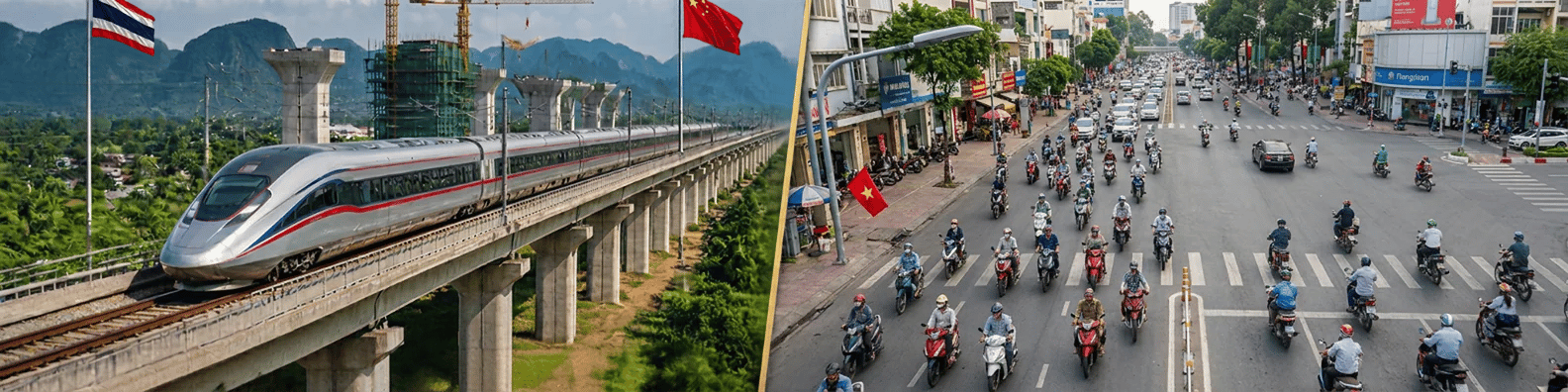
Southeast Asia is undergoing one of the world's most significant mobility transformations. As urban populations grow, congestion worsens and sustainability targets become more pressing, governments are being forced to rethink how people and goods move. While neighbouring countries Thailand and Vietnam face many of the same challenges, they are taking notably different routes towards the future.
Thailand and Vietnam approach these pressing mobility issues with two particularly interesting examples. Both face congestion, growing vehicle ownership and pressure on existing transport systems, yet their responses showcase two distinct visions for the future. Thailand is investing heavily in large-scale infrastructure designed to improve regional connectivity whereas Vietnam is focusing on making transport systems smarter, more efficient and increasingly electric.
Simultaneously, these neighbouring countries highlight two different paths towards modern mobility.
Similar Challenges, Different Priorities
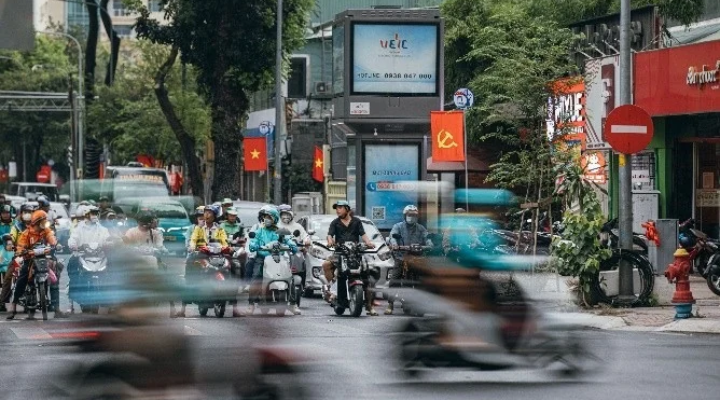
Despite utilizing different strategies, Thailand and Vietnam are tackling many of the same issues. Bangkok, Hanoi and Ho Chi Minh City all struggle with heavy congestion, while growing urban populations are placing additional pressure on transport networks.
Thailand's challenge stems largely from managing an already mature transport system. The country has invested significantly in highways, airports, metro systems and urban rail over the past two decades. However, high levels of private car ownership continue to contribute to congestion and air pollution, particularly in Bangkok.
Vietnam faces a different reality. Motorbikes remain the dominant mode of transport in many cities, and rising vehicle ownership is expanding faster than infrastructure can keep pace. As a result, the country is working to modernise its transport network while simultaneously supporting rapid economic growth.
Thailand's Infrastructure-First Approach
Thailand’s vision for mobility on building larger, faster and more connected infrastructure.
The government continues to invest in an extensive array of projects spanning from motorway expansions, additional metro lines, airport upgrades and new suburban rail services. Under its initiative, “Driving Transport Policy for Thailand’s Opportunities,” Thailand also plans to introduce 1,520 electric busses while also advancing high-speed rail developments and congestion-management initiatives.

One of the country's most ambitious projects is the Thai–Chinese High-Speed Railway part of a wider rail corridor connecting Thailand with Laos and China. The project aims to improve passenger travel, boost trade and strengthen regional connectivity across Southeast Asia.
The railway demonstrates Thailand's broader ambition to position itself as a regional transport hub. Improved connections could enhance logistics efficiency, reduce travel times and support cross-border economic activity.
The project is being developed through cooperation between the State Railway of Thailand (SRT) and China State Railway Group, with support from both the Thai and Chinese governments as part of wider efforts to strengthen regional connectivity across mainland Southeast Asia. The line also forms part of the broader Kunming-Singapore rail corridor, a strategic network expected to improve trade flows, tourism and freight movement throughout the region.
However, major infrastructure projects are not without challenges. High construction costs, lengthy development timelines and uncertainty surrounding long-term passenger demand continue to raise questions about return on investment. Encouraging travellers to shift from private vehicles to rail also remains a significant hurdle.
Vietnam’s Smart Mobility Strategy
While Thailand focuses on megaprojects, Vietnam is increasingly looking towards technology-led solutions.
The country is investing in Intelligent Transportation Systems (ITS), AI-powered traffic management, integrated ticketing and digital mobility platforms to improve efficiency within existing transport networks. These efforts are being supported by the Vietnamese government, local authorities in Hanoi and Ho Chi Minh City, and technology providers involved in smart city and transport modernisation programmes.
For rapidly growing cities such as Hanoi and Ho Chi Minh City, technology offers an opportunity to address mobility challenges more quickly than infrastructure projects alone. AI-driven systems can help optimise traffic flow, improve road safety and provide more reliable journey times.
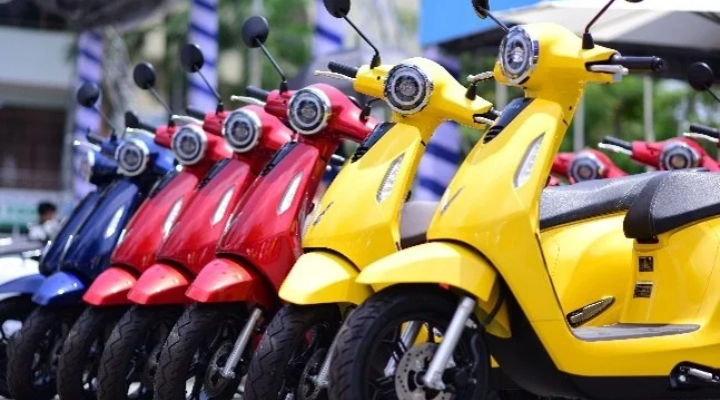
Vietnam is also placing growing emphasis on electric mobility, digital payments and data-driven transport management, with domestic EV manufacturer VinFast playing a key role in the country's electrification ambitions.
Importantly, Vietnam is not relying solely on technology. Major infrastructure projects such as Long Thanh International Airport, led by the Airports Corporation of Vietnam (ACV), and the proposed North-South High-Speed Railway backed by the Ministry of Construction, demonstrate that technology and infrastructure are being developed in parallel
Two Paths Towards the Same Goal
At first glance, Thailand and Vietnam appear to be taking opposite approaches. Thailand is building the infrastructure needed to support future growth, while Vietnam is focusing on making existing networks smarter through technology.
Thailand's mobility story is being shaped by projects such as the Thailand-China High-Speed Rail, a THB 434 billion (€11 billion) investment designed to improve regional connectivity and reduce pressure on road networks. Meanwhile, Vietnam is advancing Intelligent Transportation Systems that use AI and real-time data to improve traffic flow and road safety.
Both approaches aim to create transport networks that are safer, more efficient and better prepared for future growth.
A Regional Lesson
Together, Thailand and Vietnam demonstrate that there is no single blueprint for mobility transformation. One country is building the physical foundations for future growth, while the other is using technology to maximise the efficiency of existing networks.
As Southeast Asia's transport landscape evolves, the most successful mobility systems will likely combine both approaches: strong infrastructure supported by intelligent, data-driven technologies.
For transport professionals across the region, that may be the most important lesson of all. The future of mobility is not just about building more. It is about building smarter too.
Share your story
Do you have an innovation, research results or an other interesting topic you would like to share with the professionals in the infrastructure, traffic management, safety, smart mobility and parking industry? The Intertraffic website and social media channels are a great platform to showcase your stories!
Please contact our Sr Brand Marketing Manager Carola Jansen-Young.
Are you an Intertraffic exhibitor?
Make sure you add your latest press releases to your Company Profile in the Exhibitor Portal for free exposure.


Get up to speed on the mobility industry - our newsletter straight to your inbox!